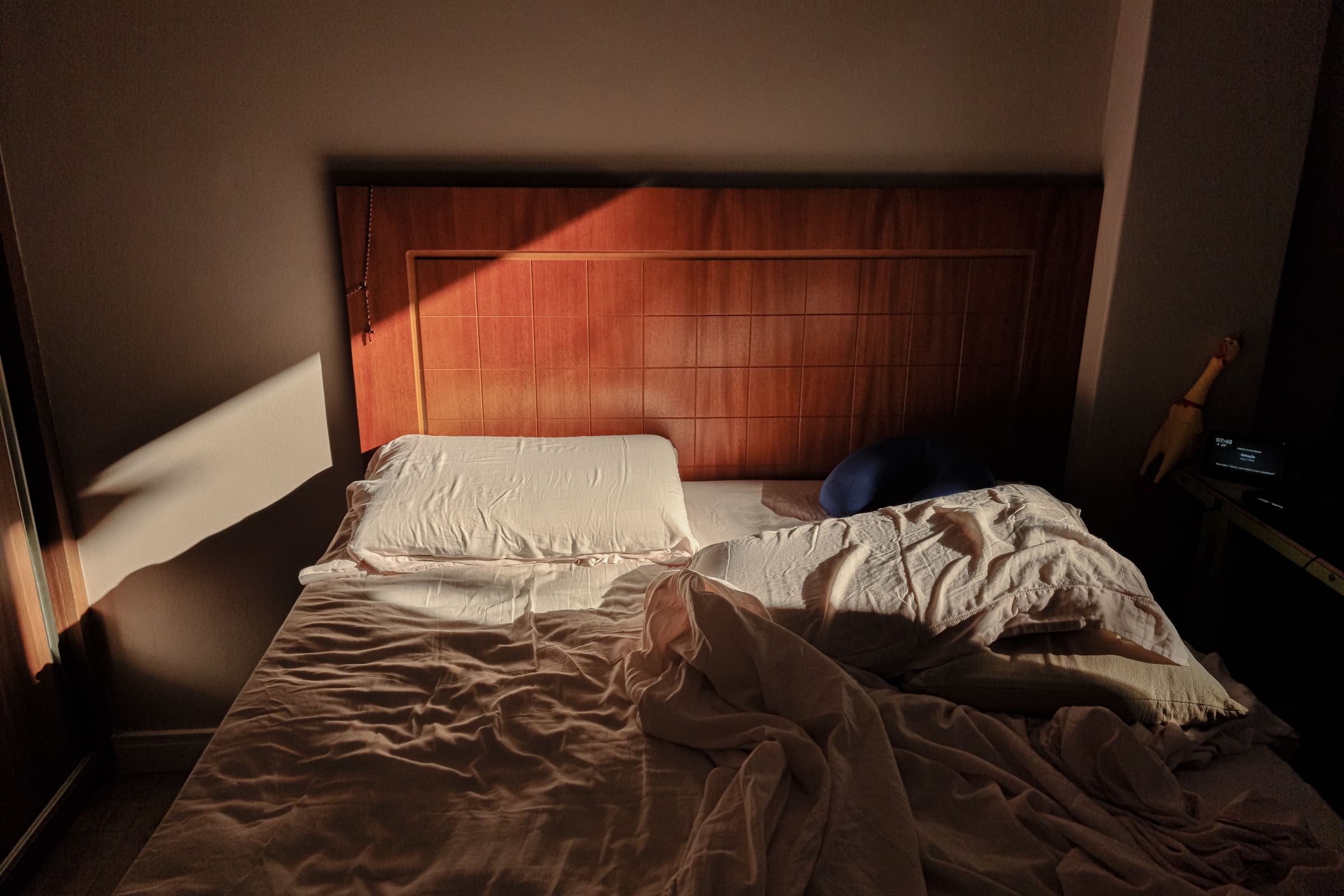
The first two days do the damage
Arrival day is usually the worst-slept night of a trip, and it is also the day most programmes schedule least. That combination is worth planning around rather than hoping through.
The variables that travel with you are ordinary ones: when you last saw daylight, when you last ate, how much of the evening was spent looking at a screen, and whether the room is dark and quiet enough. None of that is exotic, and none of it requires a programme to address.
Habits that survive a change of place
These are ordinary habits, not advice about a condition. Anyone with a sleep problem should be talking to their own doctor rather than reading a travel site.
- Get outside in daylight within an hour or two of waking
- Keep meal times roughly consistent rather than drifting with the schedule
- Treat the last hour before bed as part of the day, not an afterthought
- Check the room for light and sound on the first evening, not the third
- Expect the first night to be poor, and do not build the day around it