Wellness themes
Six ways to read a programme
Not categories of person, and not outcomes. Six lenses that make two similar-sounding programmes tell you apart.
Editorial frameworks written by Cartemont. They are not diagnoses and not treatment categories.

Sleep
How a programme structures rest, the sleeping environment, and the hours around it.
Almost every multi-day wellness programme says something about sleep. Very few say the same thing. One may mean a consultation and a written routine; another may mean a room with blackout blinds and no evening programming; a third may mean a tracker and a report.
None of those is better than the others in the abstract. They are simply different products, and a description that says only "sleep programme" does not tell you which one you are buying.
What you may see in a programme
- A consultation about routine, timing and evening habits
- A published daily outline with a fixed evening end time
- Changes to the room — light, sound, temperature, bedding
- Wearable or bedside measurement, with or without a written report
- Restrictions on caffeine, alcohol or evening activity
What to check
- Is the evening schedule fixed, or does it vary by day?
- Is any measurement included in the price, or charged separately?
- Who reviews the results — a named practitioner, or nobody in particular?
- Does the programme continue after departure, and is that included?
- Is the room itself part of the programme, or simply where you sleep?
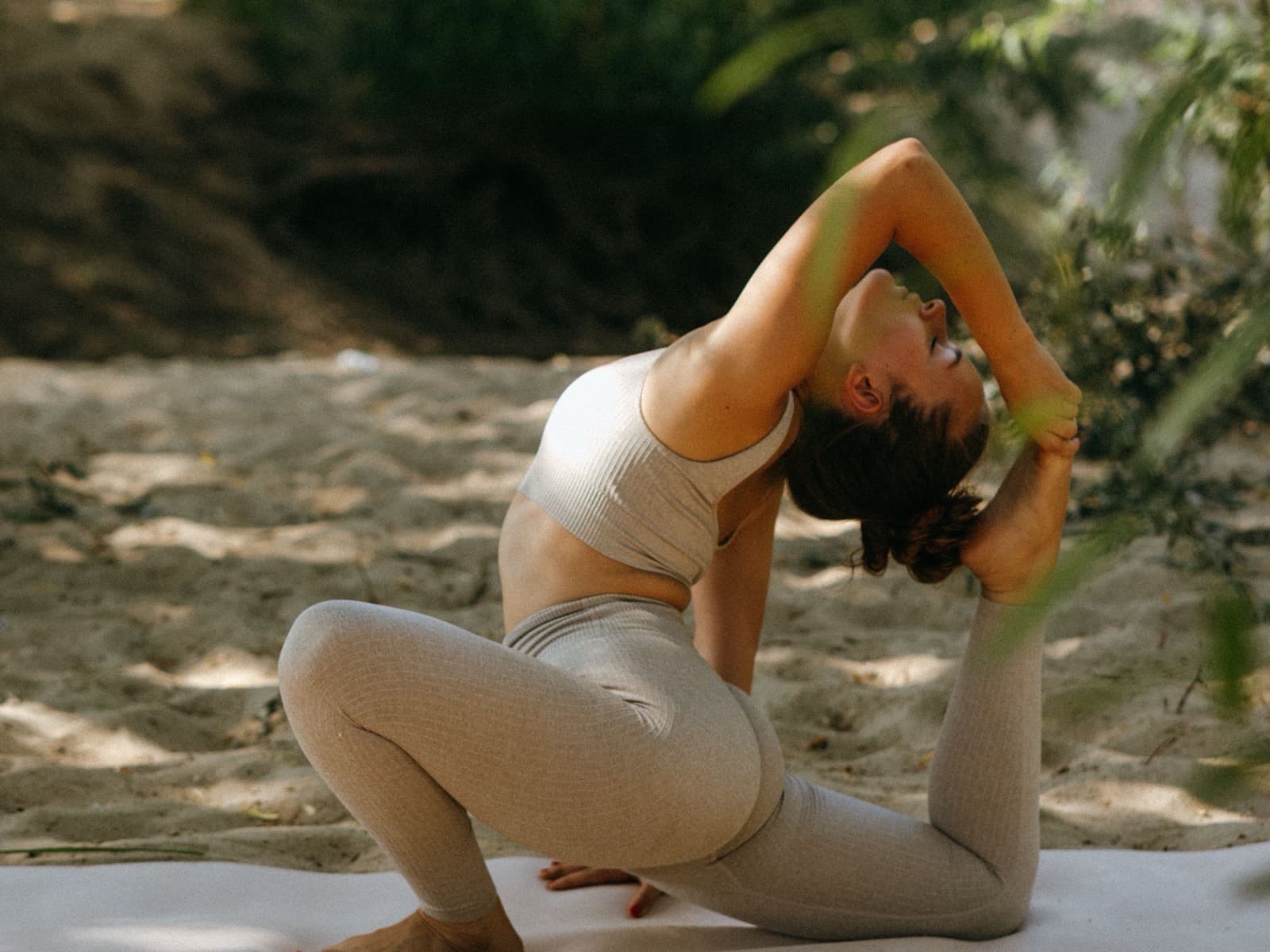
Move
What movement is scheduled, at what intensity, and how much of it is optional.
Movement is where programmes differ most in intensity and least in description. "Daily activity" can mean a guided walk before breakfast or four hours of structured training.
The useful question is not how much movement a programme contains but how much of it is fixed. A programme built around a schedule and a programme built around availability are different to live inside, even when the list of activities is identical.
What you may see in a programme
- Group classes at fixed times
- One-to-one sessions, with a stated number
- Open access to a pool, gym or trail with nothing scheduled
- An assessment at the start, and sometimes at the end
- Equipment or clothing you are expected to bring
What to check
- How many sessions are one-to-one, and how many are shared?
- Can intensity be adjusted, and by whom?
- Is anything on the list optional, or is the schedule the product?
- Are sessions counted, or described only as "daily"?
- What happens on arrival and departure days?
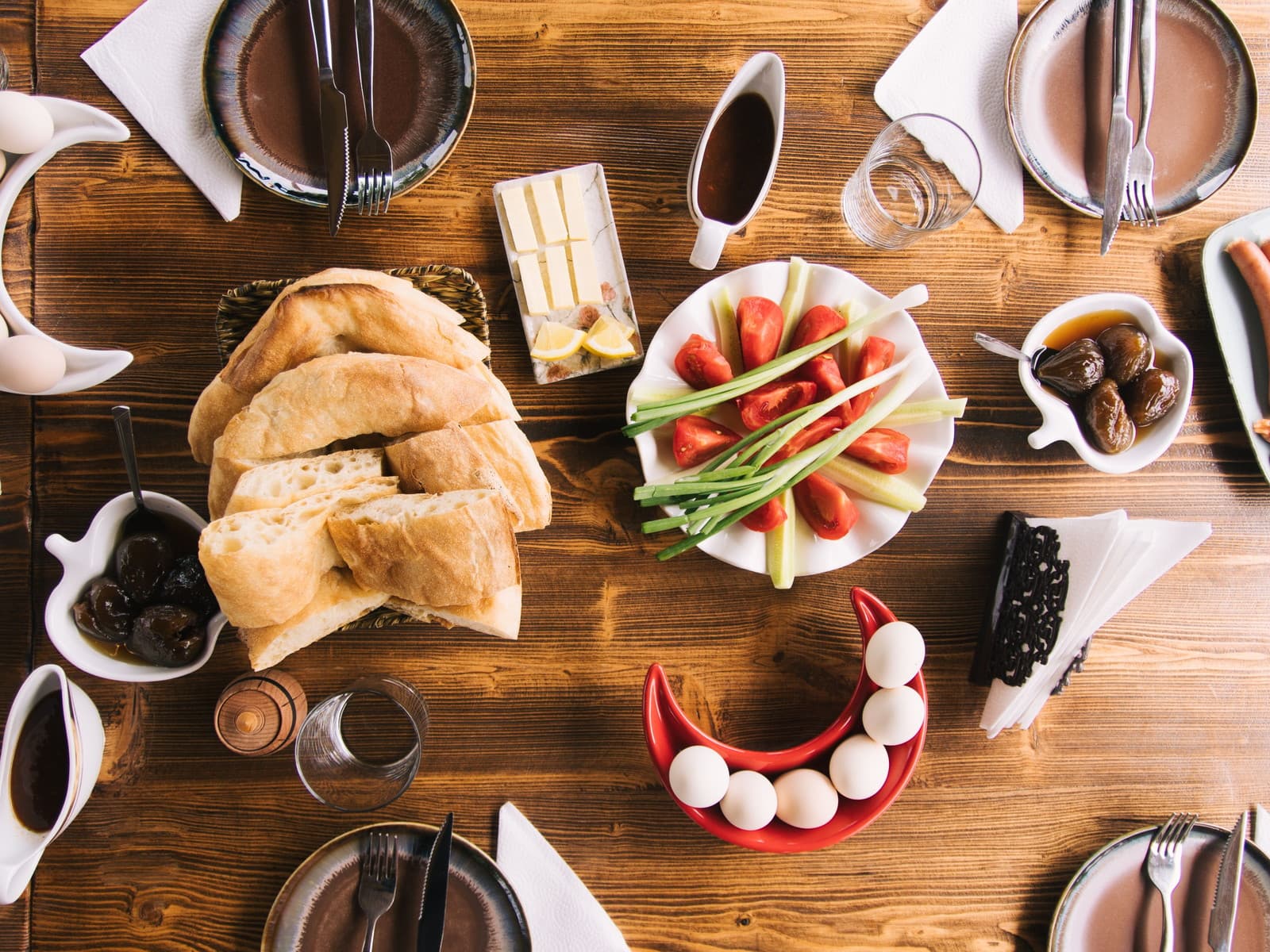
Eat
What is served, what is restricted, and whether food is part of the programme or beside it.
Food is the inclusion most often described in a sentence and least often itemised. "All meals included" covers a fixed set menu with no choices and an à la carte restaurant with a discount.
It is also the inclusion where a difference between two programmes is most likely to be invisible until arrival — and the easiest to establish in advance by asking one question.
What you may see in a programme
- A set menu, with or without any choice
- Restrictions built into the programme — no caffeine, no alcohol, no added sugar
- A consultation about food, separate from what is served
- Meals excluded on arrival and departure days
- Dietary requirements handled, or explicitly not handled
What to check
- Which meals are included, on which days?
- Is there any choice, or is the menu fixed?
- Are dietary requirements accommodated, and were you asked before booking?
- Is anything about food restricted by the programme rather than by preference?
- Is a food consultation included, or an extra?
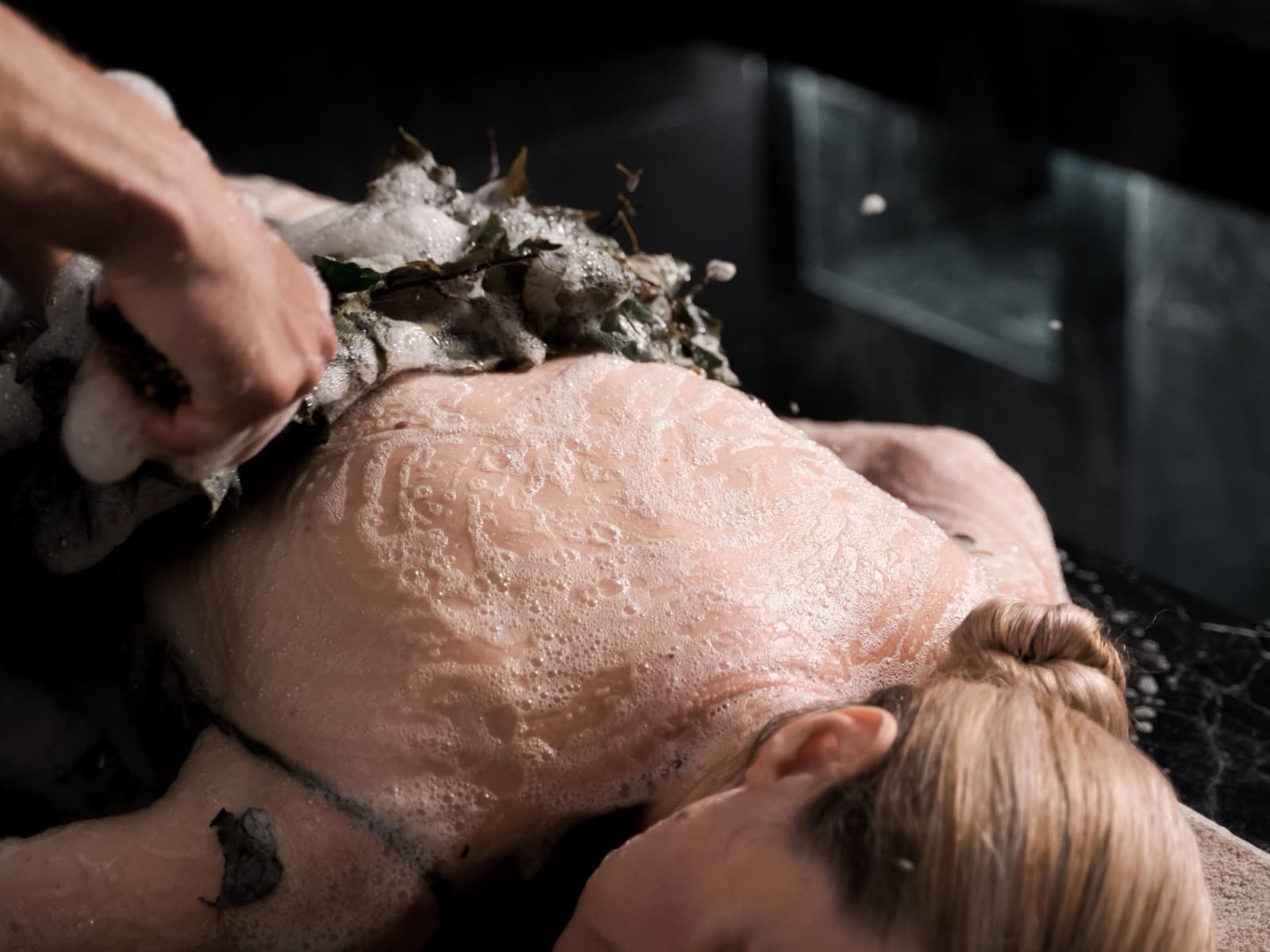
Restore
Treatments, therapies and the unstructured time between them.
This is the part of a programme most likely to be counted, and therefore the part most worth counting. "Treatments included" without a number is a different offer from "six treatments included".
It is also where the gap between a spa package and a structured programme is widest. A package sells you a quantity of treatments; a programme sequences them, and the sequence is the thing being sold.
What you may see in a programme
- A stated number of treatments, sometimes with a chosen type
- Access to thermal or hydrotherapy facilities, included or charged
- Scheduled rest with nothing else programmed against it
- A named practitioner for each session, or a rota
- Treatments that can be substituted, and treatments that cannot
What to check
- How many treatments, and are they counted or merely mentioned?
- Who chooses which treatments — you, a practitioner, or the schedule?
- Is facility access included in the price or billed on departure?
- Can a session be moved or exchanged?
- Is there unstructured time, and how much?
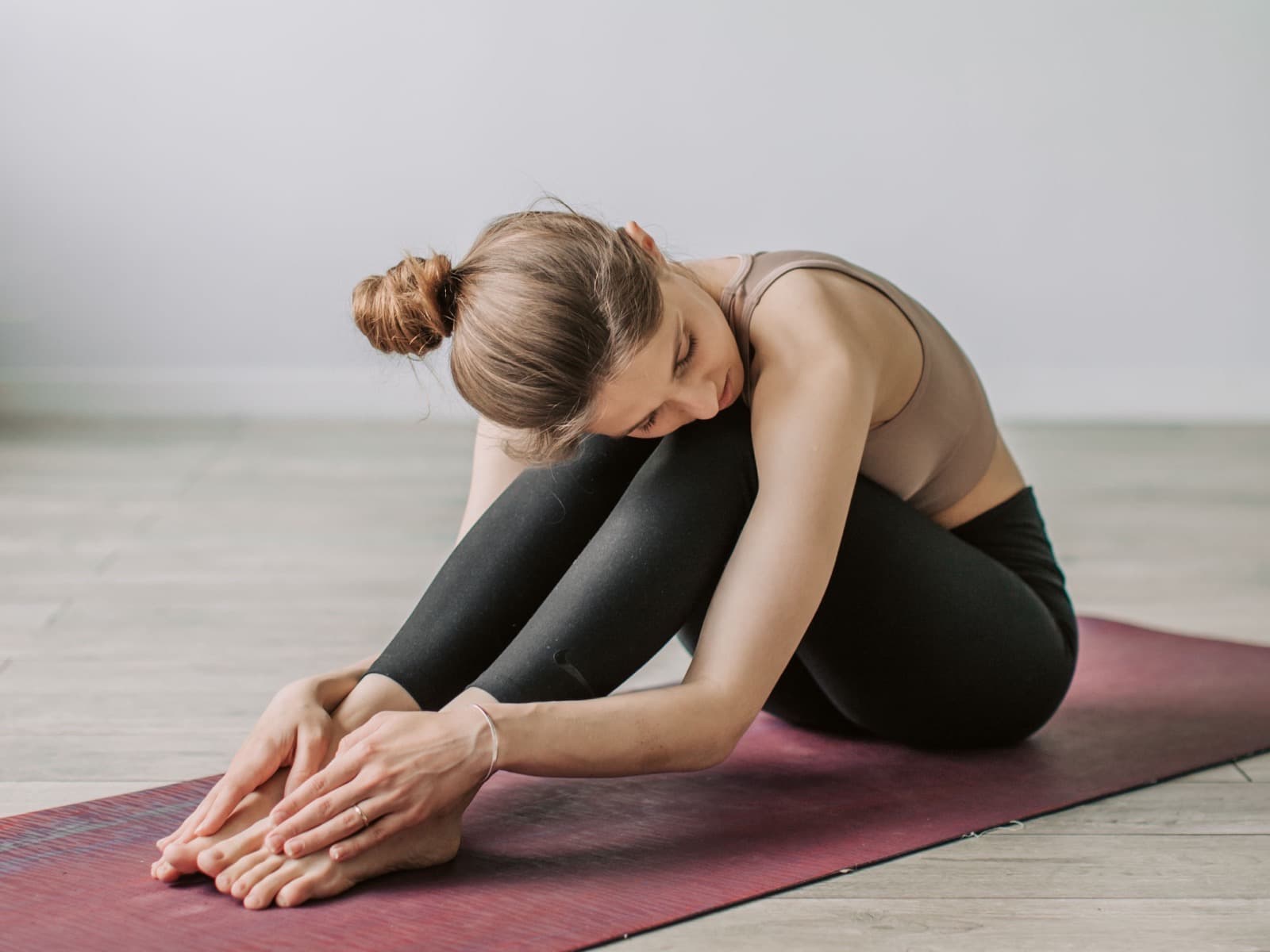
Attention
Practices that structure attention — and what a programme actually commits to.
Breathing, meditation and quiet are the least standardised inclusions in this category. They are also the cheapest to claim, because a quiet environment can be described as a practice.
The distinction worth drawing is between a programme that schedules a practice and one that provides the conditions for it. Both are legitimate. They cost different amounts to run, and they should not be read as the same offer.
What you may see in a programme
- Guided sessions at stated times, with a stated length
- A quiet environment described as part of the programme
- Device or connectivity restrictions, formal or suggested
- Group sessions, one-to-one sessions, or both
- Nothing at all, described in language that suggests otherwise
What to check
- Is a practice scheduled, or is the environment the offer?
- How long is each session, and how many are there?
- Is it led, and by someone with a stated qualification?
- Are restrictions enforced or suggested?
- Does the programme distinguish rest from practice?
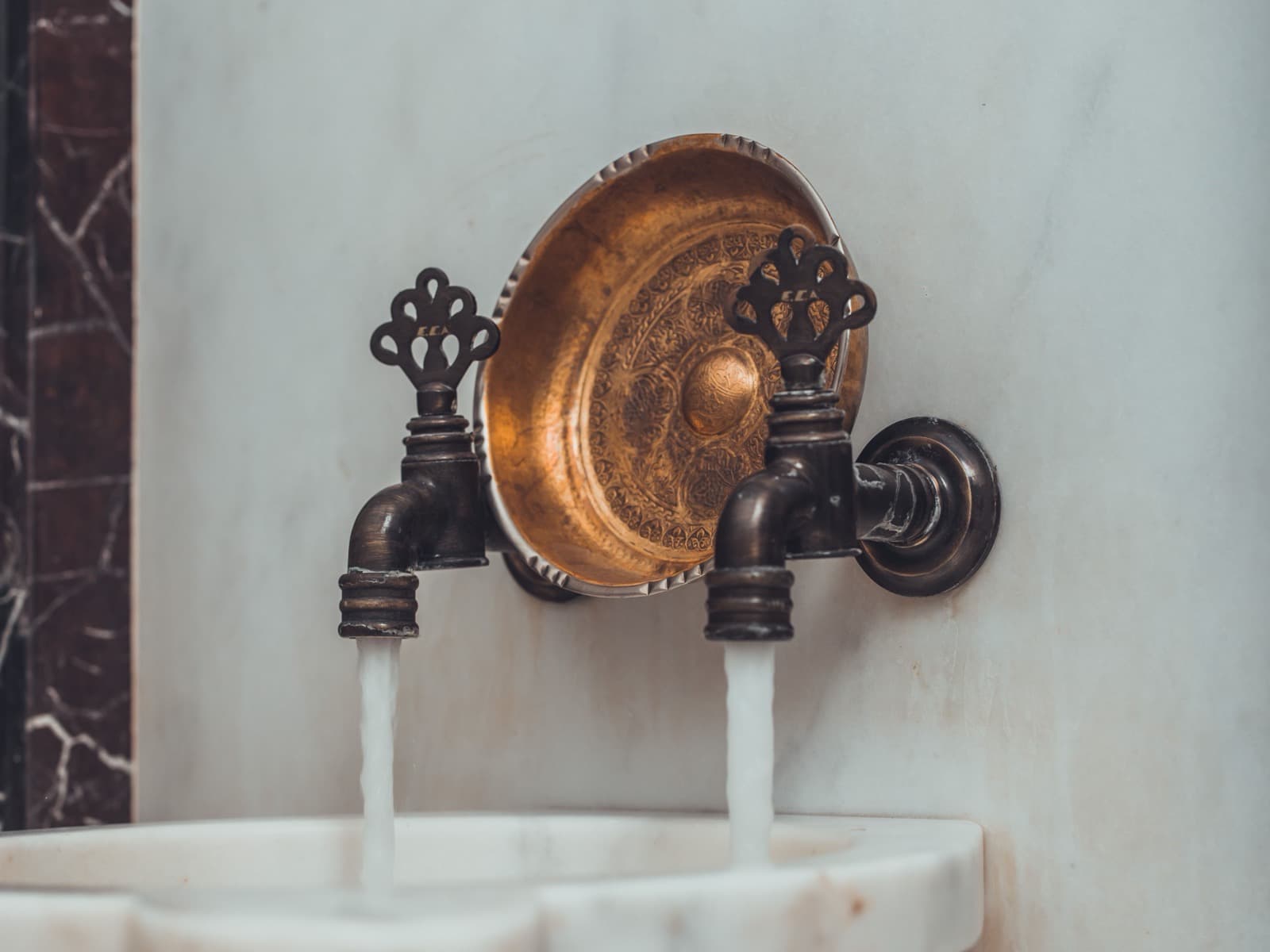
Thermal & bathing
Hammam, thermal water and the bathing sequences a programme is built around.
Bathing appears in this category in two quite different ways. Sometimes it is an amenity — a hammam on the property, available to book. Sometimes it is the structure the programme is actually built on, with a sequence, a duration and an attendant, repeated across the week.
The words used rarely separate the two. "Hammam included" can mean one forty-minute session on arrival, or a daily ritual that the rest of the schedule is arranged around. In Türkiye especially, where the building type predates the spa by centuries, the same term covers a public institution, a hotel facility and a treatment room.
What you may see in a programme
- A named bathing sequence with a stated duration
- A thermal or mineral source, described by its temperature and mineral content
- An attendant who performs the treatment, rather than a room you use alone
- A stated number of sessions across the stay
- Access to the bathing facility outside the programme hours, included or charged
What to check
- How many sessions are included, and how long is each?
- Is an attendant present, or is it self-directed use of a room?
- Is the thermal source on the property, or is it a transfer away?
- Is facility access outside programme hours included in the price?
- Does the provider state the water source and temperature, or only the word "thermal"?