Wellness in Türkiye
A bathing culture older than the word wellness
Türkiye sits on one of the most thermally active geographies in Europe, and the bathing culture built on top of it is considerably older than the spa. This page is background: what the traditions actually are, how the regions differ, and what any of that changes when you are reading a programme.
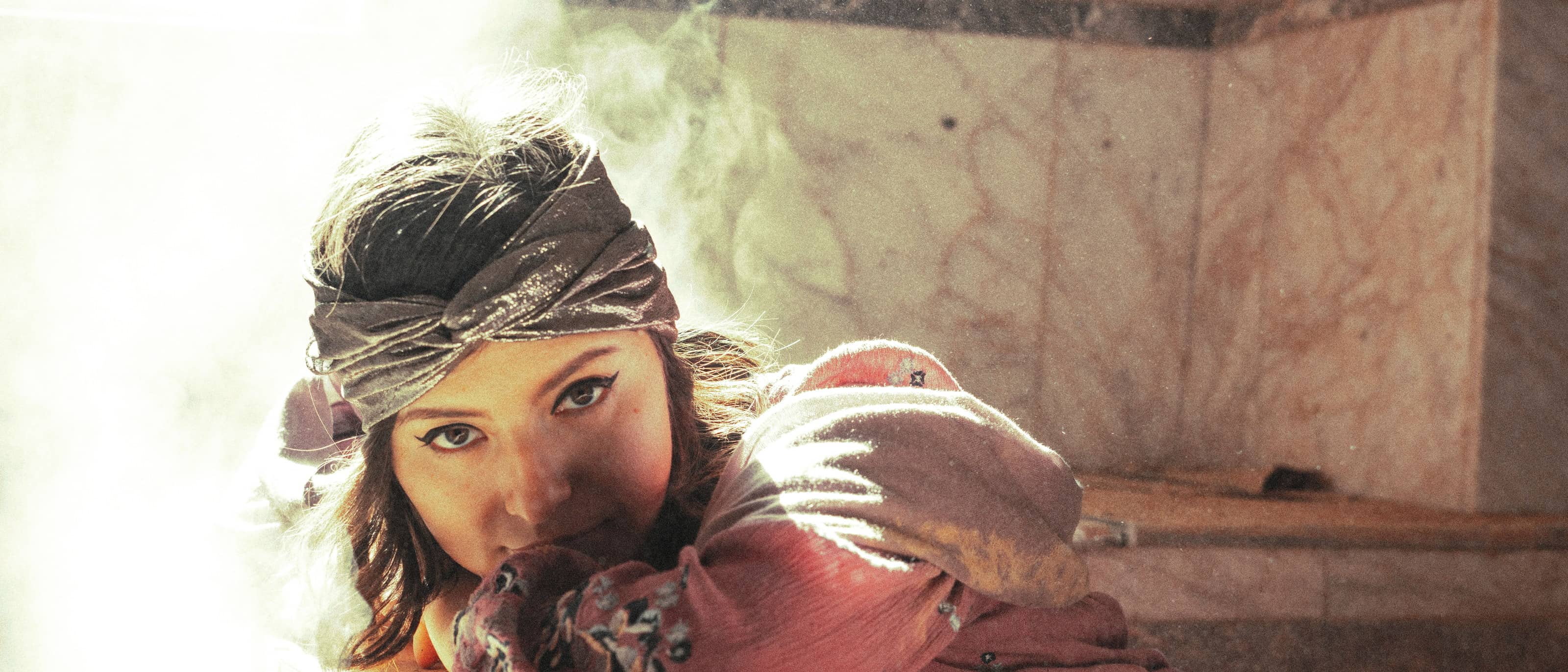
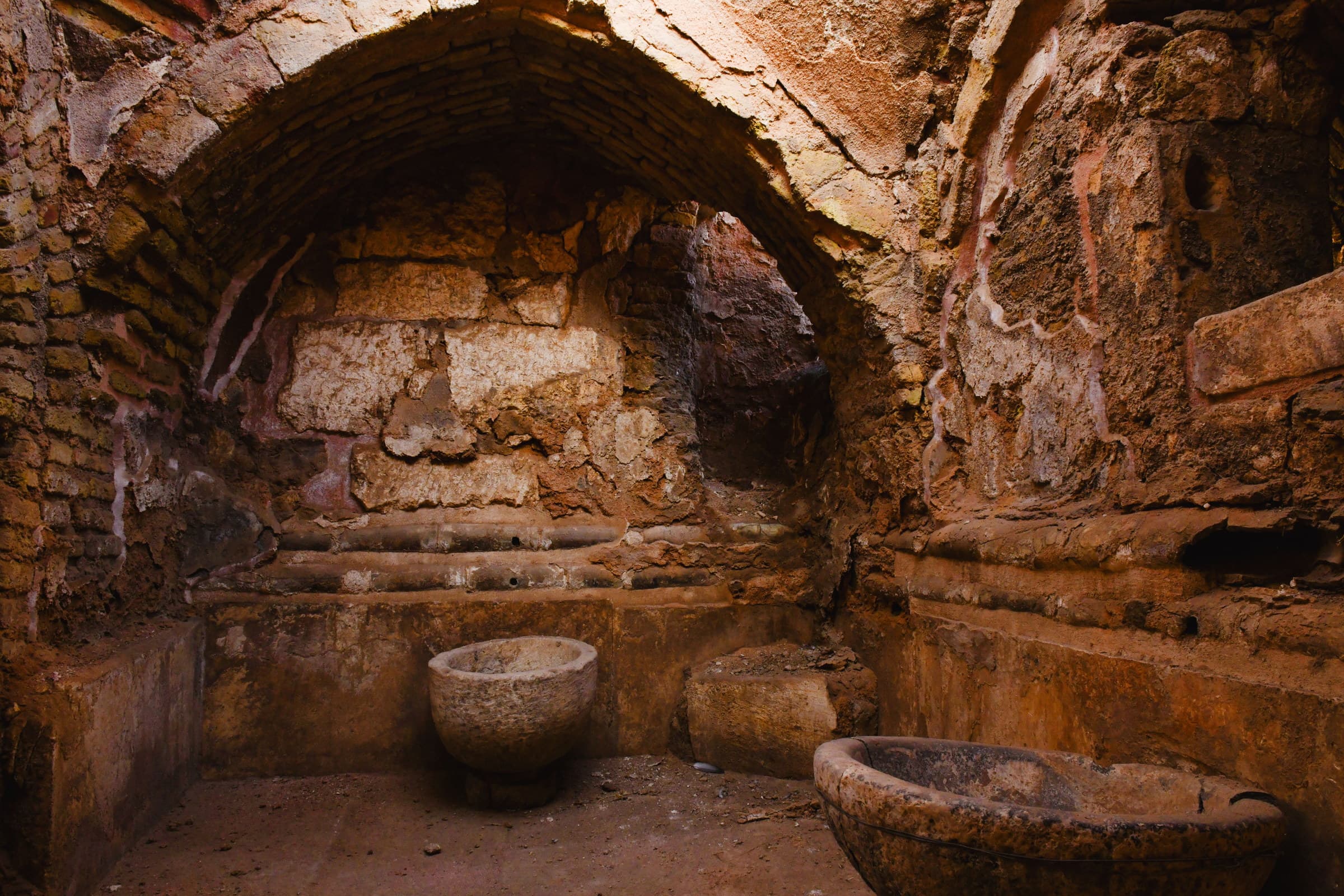
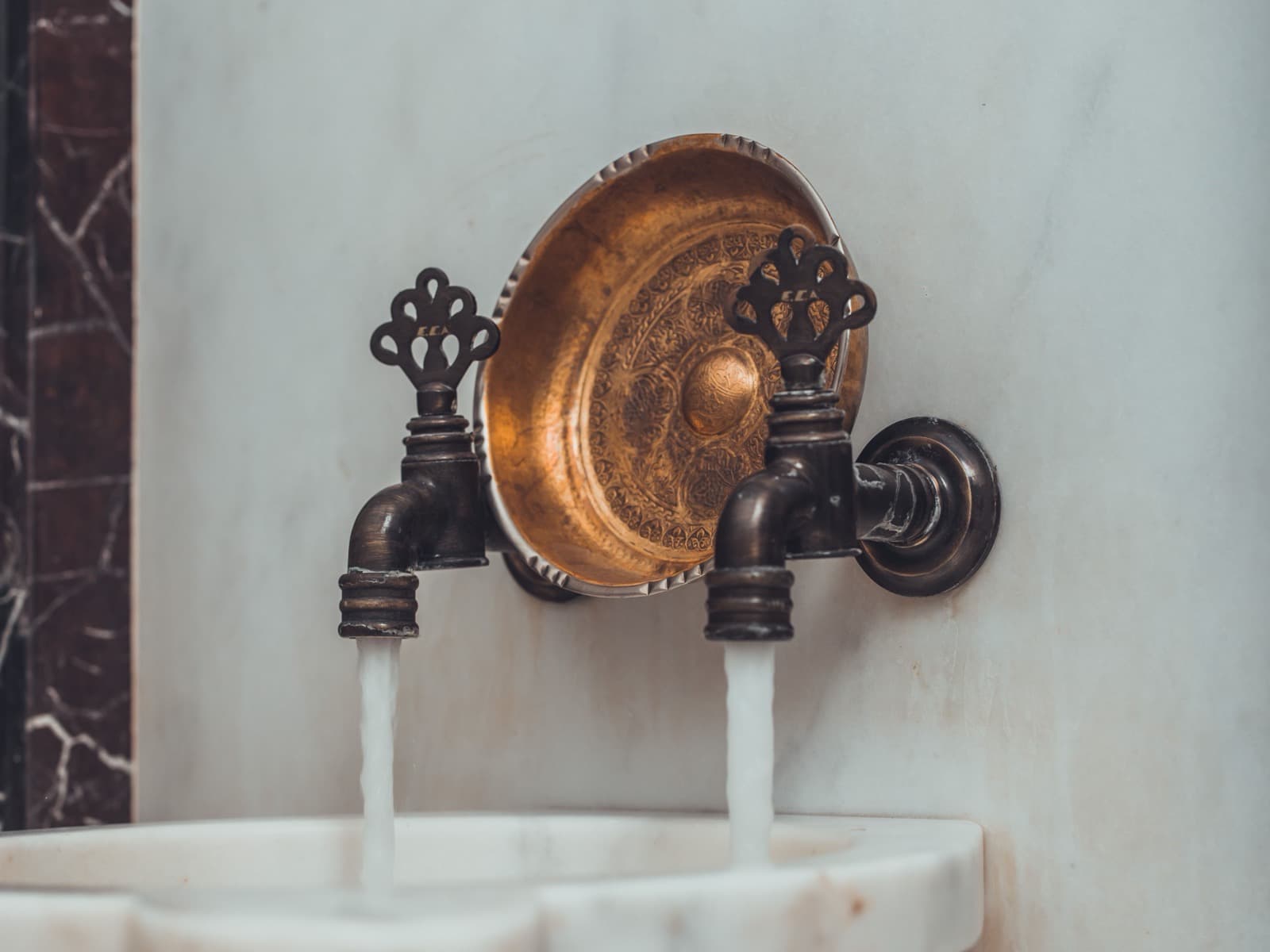
Anatolia has been bathed in for a very long time. The Romans built pools at the hot springs and the Ottomans built hammams in the cities, and both were civic buildings before they were anything like leisure — places you went weekly, not annually. The architecture still says so: a hammam is organised around a heated marble platform and running water, not around a treatment room.
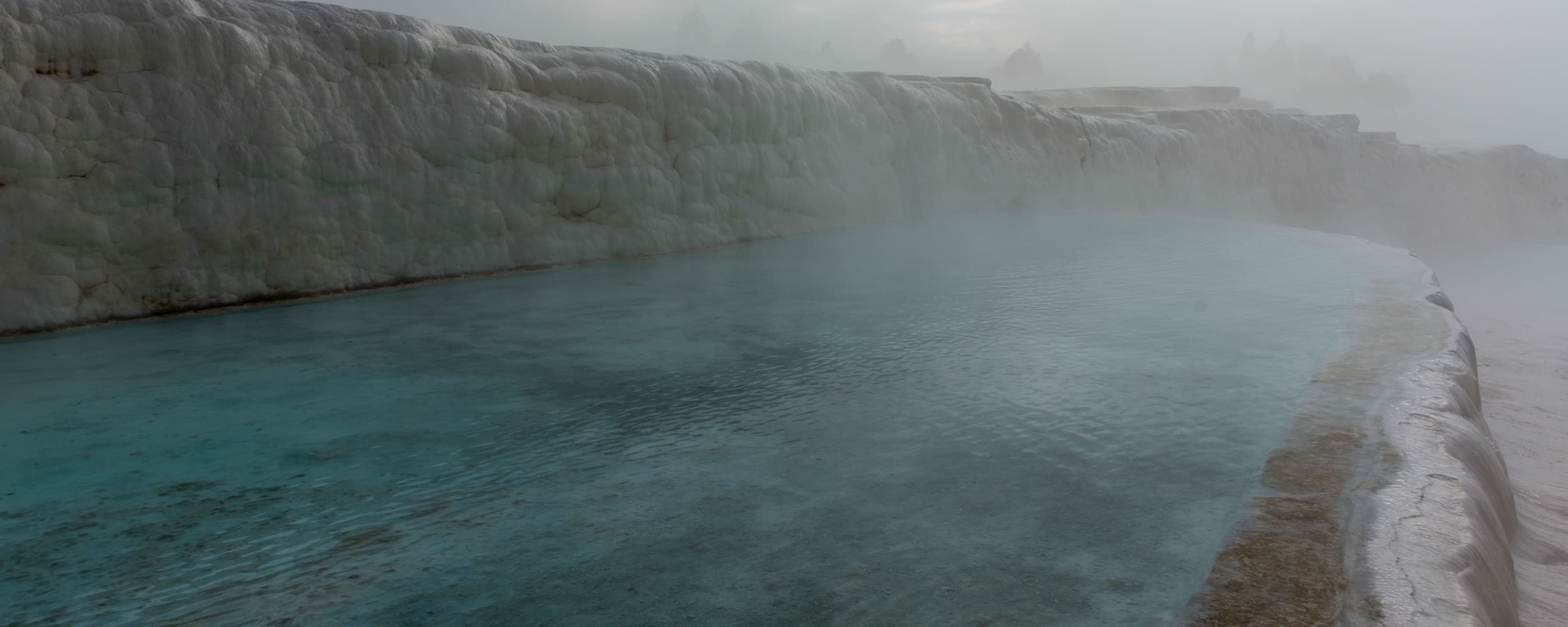
That history matters when reading a modern programme, because the word "hammam" now covers everything from a fifteen-minute scrub in a hotel basement to a restored eighteenth-century building with its own water. The same is true of "thermal": some properties sit on a licensed mineral source and some have a heated pool. Neither is dishonest, but they are not the same product, and the difference is rarely stated on a brochure.
The rest of what people mean by wellness here is mostly geography. The Aegean and Mediterranean coasts run a long season and an outdoor rhythm; inland lakes and forest sit two hours from a major airport and run cool and quiet; İstanbul is where most itineraries begin, and where the oldest bathing buildings still operate. None of this is a claim about outcomes. It is context for why two weeks that look alike on paper are not alike.
What shapes wellness here
Six threads that run through most of what is offered, and that are worth separating when you compare.
- Hammam and bathing culture
- A building type, not a treatment: a heated marble platform, running water at basins, and a sequence of rooms from warm to hot. What a programme means by "hammam" ranges from a historic building to a room in a spa.
- Thermal and mineral water
- Anatolia has a large number of natural hot springs, and a smaller number of properties genuinely built on one. Whether the water is a licensed mineral source or a heated pool is a factual question worth asking.
- Coastal rhythm
- The Aegean and Mediterranean coasts carry a long shoulder season and an outdoor daily structure — swimming, walking, eating late. Programmes here tend to be lighter in structure and longer in daylight.
- Forest, lake and altitude
- Inland sites run cooler and quieter, often within a couple of hours of a city. They suit shorter stays and a more enclosed, indoor-led structure, which is a different week from a coastal one at the same price.
- Food and season
- Meals are usually where a programme is least specified and most variable: full board, half board, a set menu, or a kitchen that will accommodate. Seasonality is real here, and it changes what a week looks like.
- Ritual and hospitality
- Hospitality carries a lot of what is described as wellness — pace, service, the expectation that a guest is looked after. It is genuine, and it is also the part of a stay that no record can itemise.
The vocabulary
Words that appear in programme descriptions without being explained. What they refer to, and nothing more.
- Göbek taşı
- The heated marble platform at the centre of a hammam’s hot room. Most of a traditional sequence happens lying on it.
- Kese
- A coarse mitt used to exfoliate, worked over the skin by an attendant. Often listed as a separate line item.
- Köpük
- The foam wash that usually follows the kese, applied from a cloth worked full of soap and air.
- Kaplıca
- A thermal spring, and by extension the bathing establishment built on one. Distinct from a spa with a heated pool.
- Peştemal
- The woven cotton wrap worn in the bath. A small thing, but it is the reason hammam sequences are described in layers.
These are descriptions of customs and architecture. Nothing here is a health claim, and none of these practices is medical treatment.
How the regions differ
Not a ranking. The wellness character of each place, and what it tends to mean for the shape of a week.
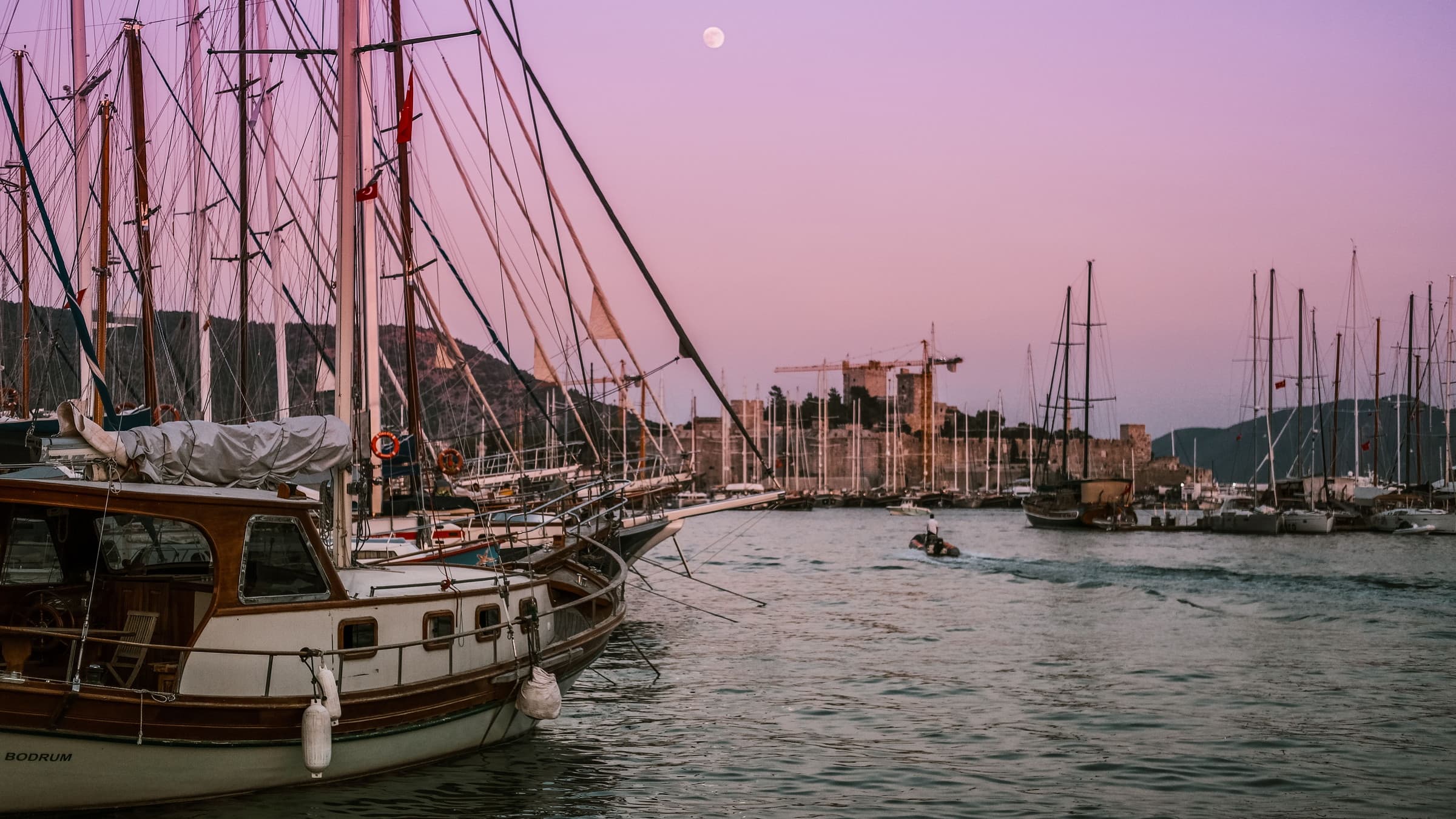
Bodrum
Aegean coast
The Aegean peninsula, and where most of the records we hold are run. A long season, a high concentration of properties, and a sea-led daily rhythm — programmes here are usually built around morning movement and open afternoons.
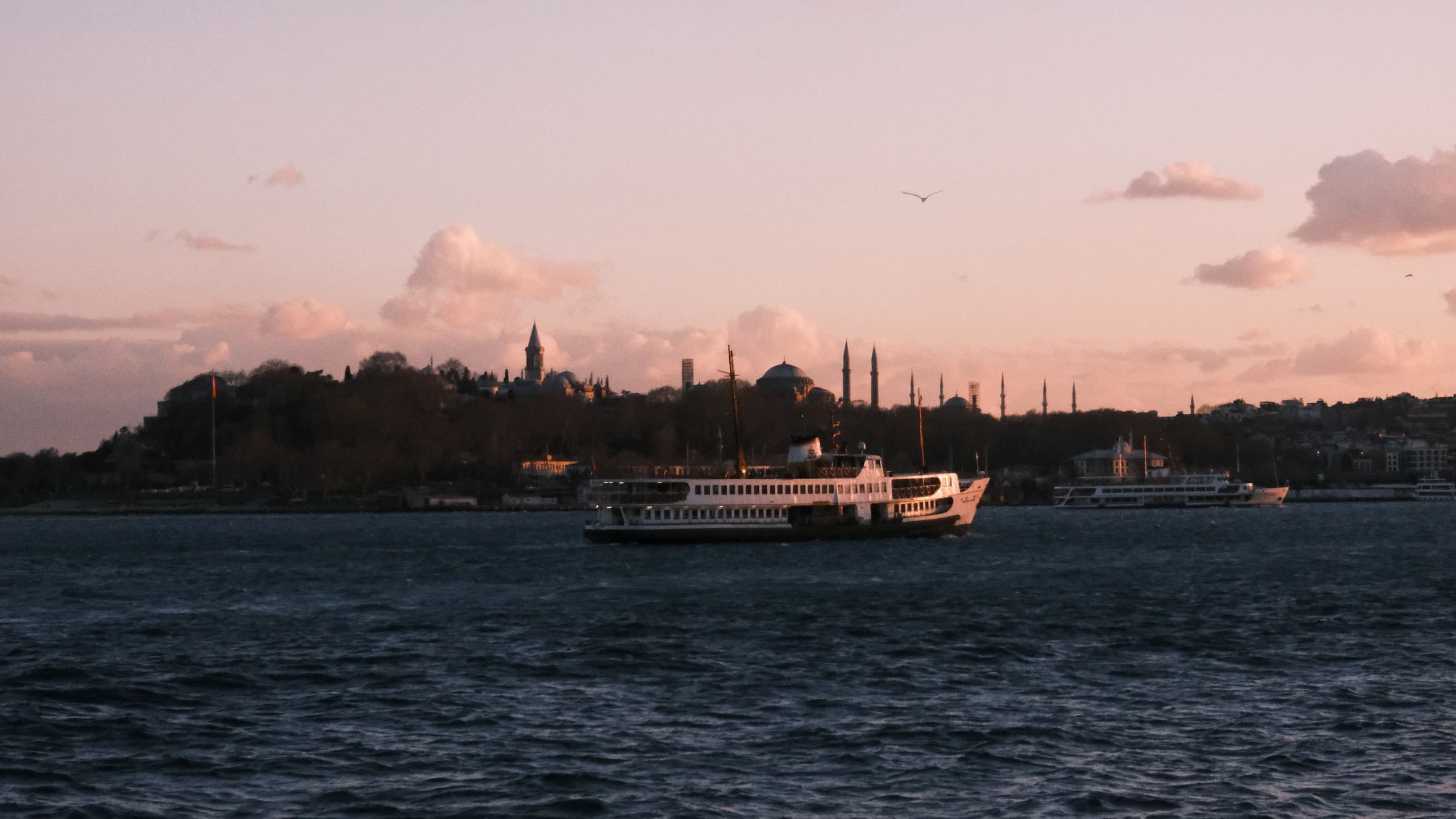
İstanbul
Marmara
Where most itineraries begin, and where the oldest working bathing buildings are. Read as arrival context and as the place to see a hammam as a piece of architecture rather than as a treatment room.
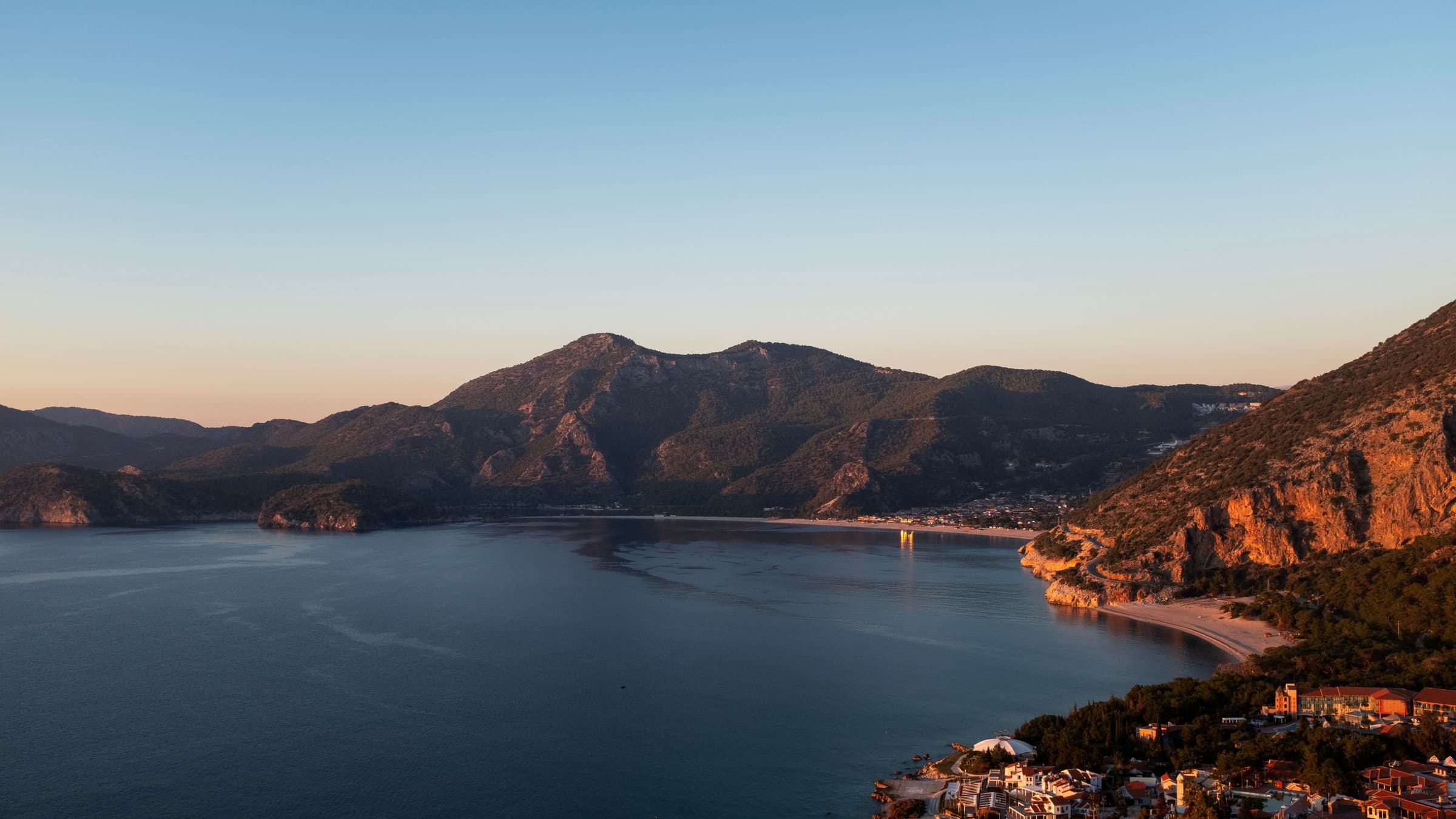
Fethiye
Turquoise coast
The turquoise coast, with steeper terrain than Bodrum and more of the week spent outdoors. Suits walking, swimming and programmes that are lighter on scheduled sessions.
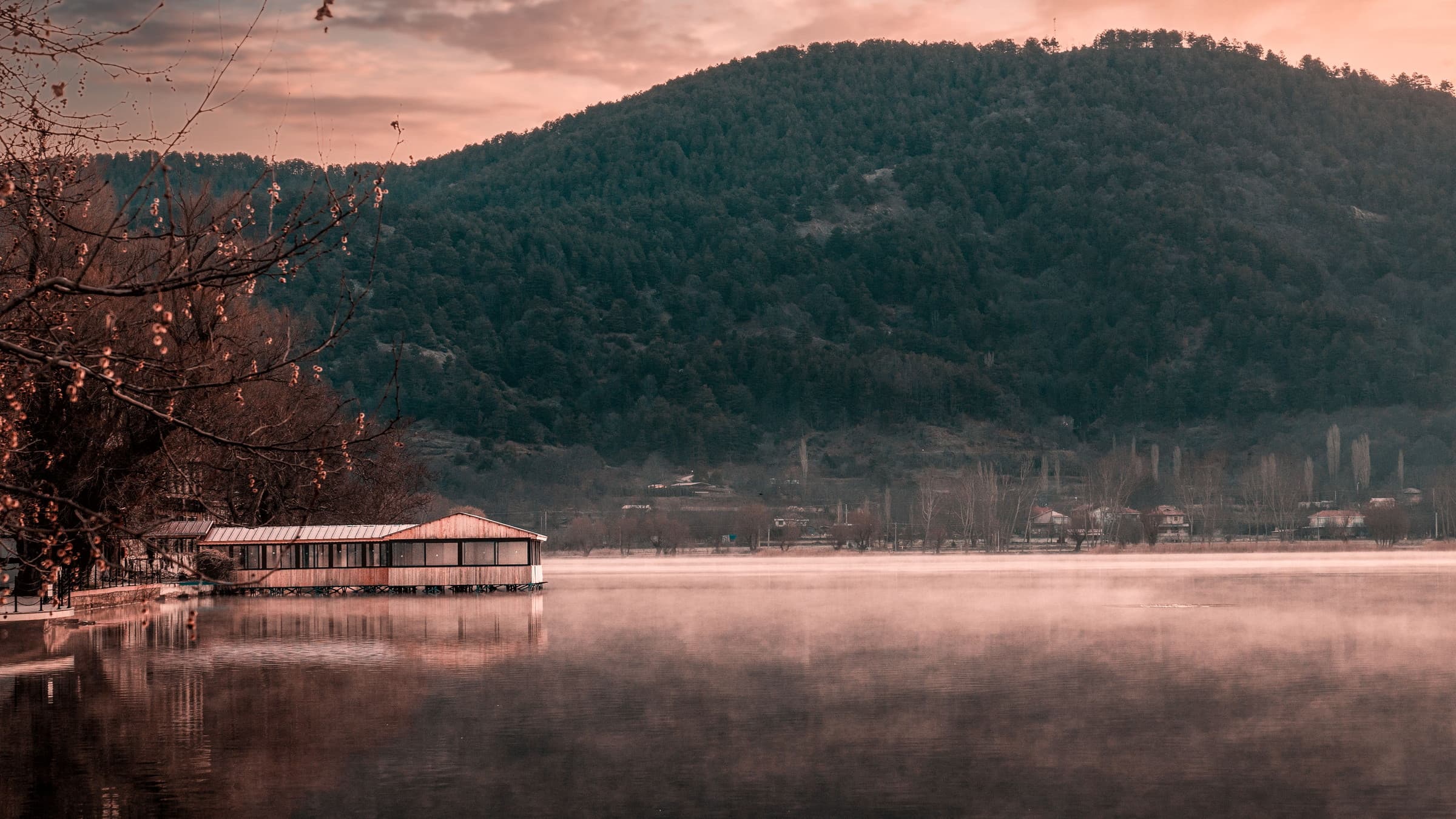
Sapanca
Marmara, inland
Lake and forest, an hour inland from İstanbul. Cooler, quieter and reachable without a second flight, which is why it carries shorter stays — the weekend end of the category rather than the fortnight end.
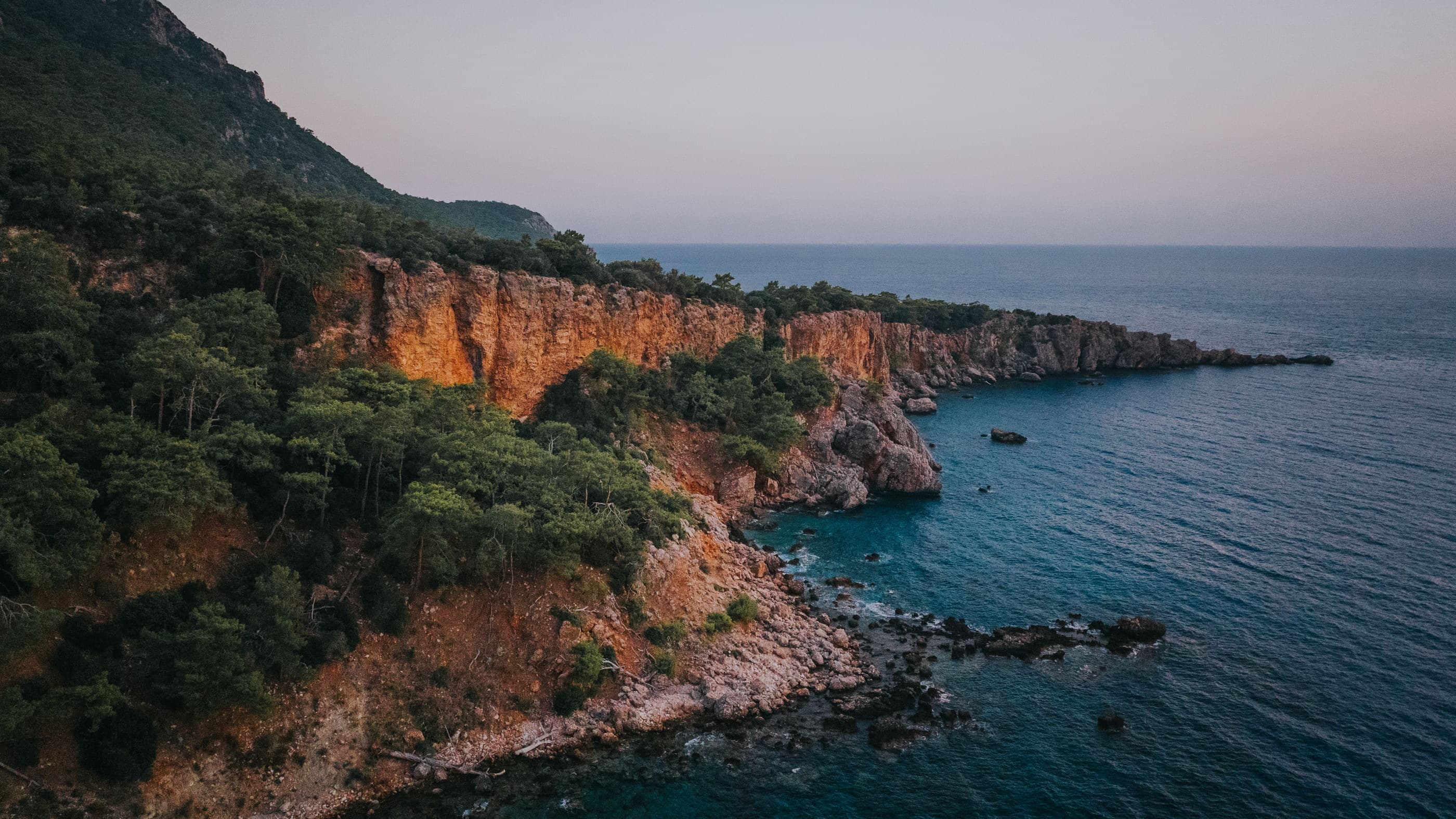
Antalya
Mediterranean coast
The Mediterranean coast, with the largest concentration of resort capacity in the country and the widest spread of quality. Listed here for location context; comparison matters more here than anywhere else.
Where to go from here
This page is background. The records, the prices and what each programme actually includes are kept separately.